The Gratitude Reset

The Gratitude Reset

The days after Thanksgiving can feel like a crash back to emails, routines, and responsibilities. But here’s something powerful (and science-backed): gratitude is one of the fastest ways to shift your energy, your mood, and even your brain.

Gratitude doesn’t just improve how you feel, it actually rewires your brain.

The Science Behind Gratitude:

When you practice gratitude consistently, your brain forms new neural pathways. This is called neuroplasticity, your brain’s ability to rewire itself based on repeated thoughts and behaviors.

Over time, gratitude:

  • Strengthens areas of the brain linked to happiness and emotional regulation
  • Reduces activity in the stress and fear centers
  • Increases dopamine and serotonin (your natural motivation + mood chemicals)
  • Makes your brain more likely to notice the positive automatically

Translation?
What you repeatedly focus on, your brain learns to default to. Gratitude trains your brain to look for what’s working instead of what’s wrong.

Try This Simple Gratitude Reset Today:

  • Name one thing you’re grateful for from Thanksgiving
  • Name one small win from this week
  • Name one thing you’re looking forward to

That’s it. Three thoughts. One minute. A real nervous system and mindset reset.

This Week’s Wellness Challenge:

Before checking your phone in the morning, pause and think of 3 things you’re grateful for, big or small. Do this daily for the rest of the week and notice how your mood, patience, and stress response begin to shift.

Reminder: You don’t need a perfect routine to feel better. Gratitude literally retrains your brain to handle stress differently. This isn’t toxic positivity, it’s neuroscience.

Let’s carry the spirit of Thanksgiving forward—not just one day a year, but as a daily reset.

Holiday Wellness Starts Now: Simple Tips to Stay Healthy as the Season Ramps Up

As we approach mid-November, the holiday season begins to pick up speed—brimming with social gatherings, workplace events, travel, and shifting routines. While this time of year is filled with excitement, it can also bring added stress, disrupted schedules, and changes in eating or exercise habits.

This week is the perfect time to set small, sustainable habits that will support your energy, mood, and overall well-being throughout the upcoming holiday rush.

  1. Build a Balanced Plate Before the Big Feasts

    You don’t need to wait until Thanksgiving to start practicing healthy holiday eating. Begin now by focusing on:

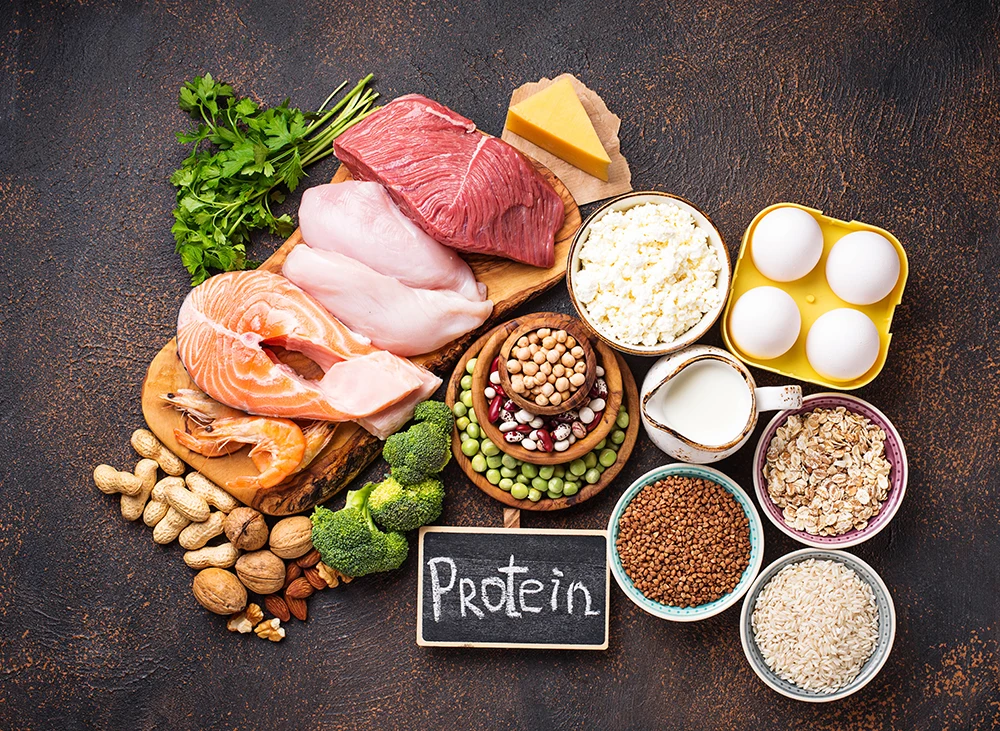
    • Protein at every meal (helps stabilize energy and control appetite)
    • Seasonal vegetables like Brussels sprouts, squash, and leafy greens
    • High-fiber foods such as beans, quinoa, berries, and whole grains

    Creating balanced meals now helps you feel your best and sets a foundation for navigating upcoming holiday meals with confidence and mindfulness—not restriction.

  2. Stay Consistently Hydrated

    Cooler weather and busy schedules make it easy to forget water intake. Staying hydrated supports digestion, immunity, and energy—especially helpful when heavy meals and travel are on the horizon.

    Wellness Tip:
    Keep a reusable water bottle at your desk, in your car, or in your bag. Even drinking a small amount every hour keeps hydration steady.

  3. Prioritize Stress Management Early

    November can bring increased workload, personal responsibilities, and holiday planning. Managing stress early helps reduce burnout later.

    Here are a few simple ways to reset during the workday:

    • 3 minutes of deep breathing
    • A quick walk to get fresh air
    • Stretching your neck, shoulders, and upper back
    • Setting boundaries on after-hours emails

    Small pauses lead to higher productivity and better mental clarity.

  4. Keep Movement Simple & Seasonal

    You don’t need intense workouts—consistent movement is what matters. Think:

    • 10–15 minute break walks
    • Light strength training at home
    • Stretching while watching TV
    • Choosing the stairs when possible

    This is also a great time to take advantage of seasonal activities: holiday markets, hikes in cool weather, and family-friendly steps challenges.

  5. Start Your “Healthy Holiday Plan” Now

    Take a moment this week to plan out what you need to feel your best in the upcoming weeks:

    • How many workouts or walks make you feel grounded?
    • What meals would help you stay energized?
    • What holiday events will require a bit of planning (travel, potlucks, parties)?
    • Where can you fit in rest?

    A small plan now reduces stress later and keeps healthy habits intact.

  6. Practice Mindful Indulgence—Not Restriction

    The holidays don’t need to be all-or-nothing. You can absolutely enjoy seasonal treats without overthinking them.

    Try this approach:

    • Choose treats you genuinely love
    • Slow down and savor each bite
    • Pair indulgent foods with protein or fiber
    • Avoid “saving up” calories (this backfires and increases cravings)

    Mindfulness helps you enjoy food fully while still supporting overall wellness.

Final Thoughts

November marks a natural transition point: the calm before the holiday season truly takes off. This is your moment to set simple habits that will carry you through the next several weeks with more balance, less stress, and greater energy.

Small adjustments now like hydration, balanced meals, movement, mindfulness add up to a healthier, happier holiday season.

NEAT Ways to Sneak in Movement During the Workday

When most people think about staying active, they imagine gym sessions or long runs. But here’s a secret: you don’t have to “work out” to move more. Everyday movement, like walking to grab a coffee or tidying your desk can make a huge difference in your overall health.

This type of activity is called NEAT, short for Non-Exercise Activity Thermogenesis. It’s the energy you burn through all the movements you do outside of structured exercise. Things like fidgeting, walking to a meeting, or even standing while on a call all count!

Increasing your NEAT throughout the day helps you:

  • Burn more calories naturally
  • Improve circulation and posture
  • Boost mood and focus
  • Reduce stiffness and fatigue from long sitting periods

So how can you sneak in more NEAT while working? Try these ideas:

  1. Take Standing or Walking Meetings

    Not every meeting needs a chair! Stand up for shorter calls or pace while brainstorming. If you’re in person, suggest a walking meeting, fresh air and movement can spark better ideas.

  2. Rethink Your Coffee Break

    Instead of scrolling during your coffee break, take a quick lap around the office, stretch, or refill your water bottle on another floor if possible.

  3. Move With Purpose

    Print to a farther printer, take the stairs instead of the elevator, or drop off paperwork in person rather than sending an email. Those small steps add up over time!

  4. Make Movement a Habit Trigger

    Set reminders on your phone or smartwatch to stand up every hour. Use those few minutes to stretch, walk, or even do a few squats before sitting back down.

  5. Tidy Your Space

    Organizing your workspace or doing a quick declutter session gets you up and moving while improving your environment and mental clarity.

  6. Try “Active Sitting”

    If possible, swap your traditional chair for a stability ball or a standing desk for part of the day. Engaging your core or alternating between sitting and standing increases daily energy use.

  7. Add Micro-Movement Moments

    Fidget, tap your feet, stretch your arms overhead, these “little” movements count! The more you move, the more you improve circulation and fight fatigue.

Bonus: Make Movement Social

  • Challenge coworkers to take a lunchtime walk, start a steps challenge, or share photos of creative movement breaks. Accountability makes staying active fun.

You don’t need an hour at the gym to reap the benefits of movement. By adding more NEAT activities into your day, you’ll naturally move more, feel better, and boost your energy without overhauling your schedule.

So this week, find small ways to move often because every step, stretch, and stand-up moment counts!

Hydration During the Winter: Why Water Still Matters in Colder Weather

As temperatures drop, most people naturally reach for warm drinks like coffee, or tea but water intake often declines without us realizing it. Unlike summer, when heat and sweat serve as visual reminders to drink fluids, hydration needs are less obvious in fall and winter. However, staying hydrated is just as important for energy, immune function, and overall well-being during the colder months especially with busy schedules and holiday stress.

Why We Get Dehydrated in Cooler Weather

Even though you may not feel as thirsty, the body still loses fluids through breathing, digestion, heated indoor air, and physical activity. Cold weather can actually suppress thirst by up to 40%, making it easy to under-consume water without noticing.

Benefits of Staying Hydrated This Season

Staying hydrated can:

  • Support immune health during cold and flu season
  • Improve focus and productivity at work
  • Reduce fatigue and headaches
  • Aid digestion despite heavier holiday foods
  • Help regulate appetite and cravings
  • Enhance skin hydration in dry winter air

Hydration Strategies for Busy Workdays

Simple changes can keep hydration steady, even when your routine shifts during the holidays:

  • Start your morning with water before coffee
  • Keep a water bottle on your desk as a visual reminder
  • Sip throughout virtual meetings or commutes
  • Add flavor with citrus, mint, or berries if plain water gets boring
  • Drink a glass of water before each meal

Warm Alternatives That Count as Hydration

Not all “hydration” has to be cold. Warm beverages can also help you increase fluids while staying cozy:

  • Herbal teas (ginger, mint, chamomile, hibiscus)
  • Warm lemon water
  • Infused warm water with cinnamon or apple slices
  • Light broths or soup-based lunches

(Just aim to balance warm drinks like coffee or hot chocolate that are higher in caffeine or sugar.)

How Much Water Do You Need?

While exact needs vary, a good general goal is:

Half your body weight in ounces per day, or more if you exercise or are very active.

Example:
If you weigh 160 lbs → aim for about 80 oz of water daily.

Staying hydrated during the holidays doesn’t require big changes, just small, intentional habits that help your body feel energized, focused, and resilient. By keeping your water intake steady even in colder weather, you’ll support your immune system, digestion, mental clarity, and overall well-being through the busy season ahead.

Enjoy the Sweets, Stay in Control

This time of year can feel challenging when trying to maintain healthy habits. Candy bowls, office treats, and social gatherings make it easy to overindulge. The good news? With a few mindful strategies and smart swaps, you can still enjoy the festivities while staying on track with your wellness goals.

  1. Eat a Balanced Meal Before Snacking

    Having sweets on an empty stomach makes portion control much harder. A meal rich in protein, fiber, and healthy fats helps stabilize blood sugar and reduces cravings.

    Examples:

    • Veggie omelet with whole-grain toast
    • Greek yogurt with berries and almonds
    • Quinoa or brown rice bowl with roasted vegetables and beans
  2. Enjoy Treats Mindfully

    You don’t need to avoid candy, just be intentional.

    • Choose the treats you truly enjoy (not just what’s in front of you)
    • Slow down and savor each bite
    • Pre-portion your sweets to prevent mindless snacking
    • Swap candy for dark chocolate or fruit when you want a healthier alternative
  3. Build in Nutrient-Rich Fall Foods

    Balancing sweets with nutrient-dense seasonal foods helps you feel more satisfied and energized.

    • Pumpkin or butternut squash soup
    • Roasted root vegetables with warming spices
    • Apple slices with nut butter
    • Lentil or bean salads for protein and fiber
  4. Stay Active & Hydrated

    • Short walks, light workouts, or stretch breaks help keep energy up and stress down
    • Hydration reduces unnecessary snacking, thirst is often mistaken for hunger
  5. Reset With Intention

    After enjoying your treats, shift back to your normal rhythm no guilt required.

      Return to balanced, nourishing meals

    • Prioritize protein, fiber, and plenty of vegetables
    • Prep simple meals ahead of time for a smoother week

You can enjoy the sweet moments of the season without losing sight of your goals. Mindfulness, balance, and a few healthy habits can help you feel good while still celebrating.

Gratitude and Grounding: Finding Your Center This Fall

There’s something about fall that invites us to slow down. The air cools, the leaves crisp underfoot, and the world seems to whisper, “Take a breath.” As we trade flip-flops for fuzzy socks and iced coffees for steaming mugs, it’s the perfect time to lean into two practices that can shift our energy in a powerful way: gratitude and grounding.

Fall is the season of release. Just as trees let go of their leaves, it’s our time to shed what no longer serves us, stress, comparison, the “go-go-go” energy that’s been running on caffeine and willpower since summer. This is nature’s reminder that rest and reflection are not only allowed, but they’re also essential.

Grounding and gratitude work beautifully together to anchor us in the present moment, helping us feel more calm, connected, and centered as the seasons change.

Grounding: Coming Back to Your Body and the Present Moment

Grounding means reconnecting with your body, your breath, and the earth beneath you. It’s especially powerful during transitions like the shift from summer’s hustle to fall’s slower rhythm.

Here are a few ways to practice grounding this season:

  1. Step Outside Barefoot (Yes, Even if It’s Chilly)

    Feel the cool earth, the damp grass, or the crunch of leaves under your feet. This sensory connection instantly brings you back into your body and lowers cortisol.

  2. Use Your Five Senses

    Take a mindful walk and name:

    • 5 things you see (golden leaves, pumpkins, the sky’s deeper hue)
    • 4 things you feel (your sweater, the wind, the warmth of your coffee)
    • 3 things you hear
    • 2 things you smell
    • 1 thing you taste

    Instant calm. Instant presence.

  3. Ground Through Movement

    Try yoga, Pilates, or even lifting weights mindfully, feeling your feet rooted and your breath strong. Grounding doesn’t always mean stillness; sometimes it’s about feeling powerful in your body.

Gratitude isn’t about pretending everything’s perfect. It’s about acknowledging that even in chaos, there’s beauty. Studies show gratitude boosts serotonin, improves sleep, and strengthens your immune system—basically, it’s a free mood enhancer with zero side effects.

Here’s how to weave gratitude into your fall rhythm:

Create a Gratitude Corner

Light a candle, grab a cozy blanket, and spend five minutes journaling or just sitting with appreciation for where you are and how far you’ve come.

When You Combine the Two… Magic Happens

  • Gratitude roots your heart.
  • Grounding roots your body.
  • Together, they anchor your whole self.

As the leaves fall, let that be your cue to let go of what’s heavy and hold close what’s beautiful. The more we slow down to notice, the more joy we find right here, right now.

Fall reminds us that change can be beautiful, that endings are just new beginnings dressed in burnt orange and gold. So this season, ground yourself in what matters and let gratitude be your daily warmth. Because when we slow down long enough to feel our feet on the ground and our hearts full of thanks, we stop chasing the moment and start living it.

Fall Into Health: Embracing October’s Seasonal Produce

October is here, bringing crisp air, cozy sweaters, and delicious seasonal produce. Eating in season not only supports local farmers but also ensures you get the freshest, most nutrient-dense fruits and vegetables. Here’s a guide to what’s in season this month and how to make the most of it for your wellness.

Seasonal Produce Spotlight:

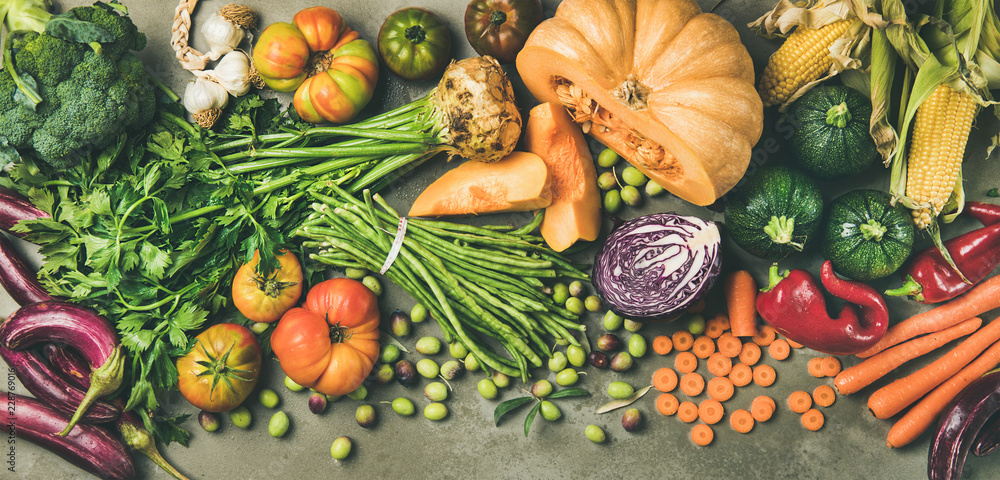
  • Pumpkins: High in fiber, beta-carotene, and vitamin C. Perfect for soups, roasted dishes, or a healthy pumpkin smoothie.
  • Apples: Great for digestion and immunity. Try them in oatmeal, salads, or baked desserts with minimal added sugar.
  • Squash (Butternut, Acorn, Spaghetti): Rich in vitamins A & C, fiber, and antioxidants. Roast, mash, or spiralize for healthy meals.
  • Pears: Contain antioxidants and fiber, delicious raw, in salads, or poached with cinnamon.
  • Brussels Sprouts: Excellent for digestion and anti-inflammatory benefits. Roast with olive oil and garlic for a simple side.
  • Sweet Potatoes: Packed with beta-carotene and potassium. Try them baked, mashed, or in hearty stews.

Wellness Tips:

  • Mix Produce into Your Meals: Add roasted squash or sweet potatoes to grain bowls, or top salads with apples and roasted pumpkin seeds.
  • Experiment With Spices: Cinnamon, nutmeg, and cloves pair perfectly with fall produce, boosting flavor without extra sugar.
  • Meal Prep for Convenience: Roast a tray of mixed fall veggies to use throughout the week.

Eating seasonally is a simple step toward better health, supporting your immune system and keeping meals exciting. This October, embrace local flavors and nourish your body with the best the harvest has to offer!

Natural Remedies for Seasonal Allergies

Spring sunshine, blooming flowers, longer days… what’s not to love? For many, it’s the wave of seasonal
allergies that quickly puts a damper on the season. But here’s the good news: you don’t always have to
rely on over-the-counter medications to find relief. With a few natural strategies, you can help your
body weather allergy season and breathe a little easier.

What Causes Seasonal Allergies?

Seasonal allergies—often called hay fever or allergic rhinitis—are your immune system’s overreaction to
airborne allergens like pollen, mold spores, and grasses. Though harmless on their own, these particles
can trigger an inflammatory response, leaving you feeling less than your best.
Natural Ways to Tackle Allergies

1. Local Honey – A sweet strategy: small amounts of local honey may help your body gradually adapt to local pollen. Stir a spoonful into tea or drizzle it over yogurt.

2. Saline Nasal Rinse – A simple nasal rinse can flush out pollen and other irritants. Use a neti pot or a nasal spray bottle with sterile water for best results.

3. HEPA Air Filters – Trap allergens before they make themselves at home. Place portable HEPA air purifiers in high-traffic areas like your bedroom, and change filters often to keep the air clean.

4. Quercetin-Rich Foods – Quercetin—a natural antihistamine found in foods like apples, onions, and berries—can help your body respond better during allergy season. Add these colorful ingredients to
your daily meals for a flavorful boost.

5. Shower After Being Outdoors – Pollen clings to skin, hair, and clothing. Rinsing off and changing clothes after outdoor activities can prevent allergens from hitching a ride into your home.

6. Steam Inhalation – Breathe easier with a little steam therapy. Inhaling warm steam can open up your sinuses and soothe irritation. For an extra boost, add a few drops of eucalyptus or peppermint oil.

7. Probiotics – A healthy gut can support a balanced immune system. Enjoy probiotic-rich foods like yogurt, kefir, and fermented veggies, or consider a daily probiotic supplement.

8. Butterbur Supplement – Some studies suggest that butterbur, a natural herb, can be as effective as traditional antihistamines for some allergy sufferers. Choose a PA-free certified supplement for safety.

Lifestyle Tips to Beat Allergy Season

  • Check daily pollen forecasts and plan your outdoor time accordingly.
  • Keep windows closed during high-pollen hours, typically mid-morning.
  • Regularly change air filters in your home and car.
  • Slip on sunglasses outside to shield your eyes from floating pollen.

Seasonal allergies might be persistent, but natural remedies and smart habits can make a world of difference. Try a few of these strategies to discover what works best for you—and don’t hesitate to reach out to a healthcare provider if symptoms stick around.

Protein and Performance: Why Men and Women Need Different Strategies

When it comes to fueling fitness and supporting recovery, protein is essential for everyone—but women and men don’t respond to protein (or training) the same way. Thanks to the work of exercise physiologist and nutrition scientist Dr. Stacy Sims, we’re learning more about how female physiology demands a unique approach to protein timing and training strategies.

Let’s break down why protein is crucial, how men and women differ, and what this means for your workouts—especially when it comes to pre-training nutrition and fasted cardio.


🔬 Why Protein Matters for Everyone

Protein plays a key role in:

  • Muscle repair and growth
  • Hormonal balance
  • Satiety and blood sugar control
  • Metabolic health

Whether you’re training for strength, endurance, or overall well-being, getting enough protein helps your body recover, adapt, and perform better.


🚺 Why Women Need to Prioritize Protein Differently

Women face hormonal fluctuations throughout the menstrual cycle that affect muscle protein synthesis, recovery, and metabolism.

During certain phases—particularly the luteal phase (after ovulation)—there’s an increase in protein breakdown and a reduction in muscle-building efficiency. This means women need more protein overall and may benefit more from consistent protein timing.

🥚 Why 15+ Grams of Protein Before Training is Key for Women

It is said that women should not train fasted. Instead, consuming at least 15–25 grams of protein (paired with a small amount of carbohydrate) 30-60 minutes before a workout can:

  • Improve training output
  • Prevent muscle breakdown
  • Support hormonal health
  • Reduce post-workout fatigue and mood crashes

This is especially important in the morning when cortisol levels are naturally higher. Training without fuel can spike cortisol further, which can negatively affect thyroid function, metabolism, and mood—more so in women.


🚹 Why Fasted Cardio May Work Better for Men

Fasted cardio has gained popularity as a fat-burning tool—but according to Sims, the benefits (and risks) are not equal for men and women.

For men, fasted training can be a useful strategy for:

  • Increasing fat oxidation
  • Enhancing mitochondrial adaptations
  • Improving metabolic flexibility

Men’s hormonal profile is more stable, and their brains don’t respond to fasted states the same way. They’re less likely to experience a negative cortisol response, and their muscle protein synthesis isn’t as easily impaired when training without fuel.


🧠 The Brain Difference: Fueling and Stress Response

One key difference Sims points out is in the hypothalamus, the part of the brain that controls hunger, hormones, and stress.

  • In women, the hypothalamus is highly sensitive to low energy availability.
  • Training in a fasted state, especially repeatedly, can signal energy stress, triggering:
    • Hormonal suppression (including thyroid and reproductive hormones)
    • Increased cravings and binge tendencies
    • Mood changes or irritability
  • In men, the hypothalamus is less reactive to low energy signals, making fasted training more tolerable and sometimes beneficial.


⚖️ Key Takeaways: Protein & Training for Men vs. Women

Strategy Women Men
Pre-Workout Fuel At least 15g of protein + carbs Optional; depends on goals
Fasted Cardio Not recommended; increases stress hormones Can be effective in short bursts
Daily Protein Needs Higher needs during certain cycle phases; ~1.8–2.2g/kg Stable needs; ~1.6–2.0g/kg
Stress Response More sensitive to low energy; protect hormones More resilient to fasted states


🥩 Final Thoughts

If you’re a woman training hard and wondering why you’re not seeing results—or worse, feeling drained and moody—pre-training protein could be a game-changer. Men may get away with skipping breakfast and pushing through, but women thrive when they fuel first.

Want to dive deeper into personalized training and nutrition strategies? Let’s chat! Whether you’re building strength, boosting energy, or just trying to feel better in your body, understanding your physiology is the first step.

The Truth About Food Dyes: What’s Being Banned & Healthier Swaps You Can Make

In a major shift toward prioritizing public health, certain synthetic food dyes are facing increased scrutiny—and even bans—in the U.S. and beyond. If you’re someone who cares about what goes into your body (or your kids’), now is a great time to get informed and empowered about what’s changing in the food industry.

🔬 What’s Happening?

In October 2023, California became the first U.S. state to ban four food additives that have been linked to health concerns, including one commonly used food dye:

  • Red Dye No. 3 (Erythrosine)
  • Potassium bromate
  • Brominated vegetable oil
  • Propylparaben

(Source: California Legislative Information, AB418)

These ingredients are often found in brightly colored candies, baked goods, soda, and processed snacks. While these additives are already banned in the European Union, they’ve remained widely used in the U.S.—until now.

Red Dye No. 3, in particular, has been linked to potential behavioral issues in children, including hyperactivity, and was also found to cause thyroid tumors in lab animals, which prompted the FDA to ban it in cosmetics back in 1990—but not in food. That’s now changing.

(Source: Center for Science in the Public Interest (CSPI))

🚫 What to Avoid on Labels

Look for and limit these artificial colors and additives, especially in foods targeted to kids:

  • Red 3
  • Red 40
  • Yellow 5 (Tartrazine)
  • Yellow 6
  • Blue 1 & Blue 2
  • Green 3

These dyes are commonly found in fruit snacks, cereals, sports drinks, ice pops, and even pickles and chips.

Healthier Swaps to Try

You don’t have to swear off color—but choosing naturally colored foods can make a big impact:

Instead of… Try…
Brightly colored candy Unreal® or YumEarth® candies with natural dyes (like beet juice or turmeric)
Neon sports drinks Coconut water or electrolyte powders like Nuun® or LMNT® with no artificial colors
Rainbow cereals Low-sugar cereals like Love Grown® or Cascadian Farm® that use natural colors
Ice pops Make your own with real fruit + water or buy GoodPop® or Deebee’s Organics®

Final Thoughts

These bans are a win for public health and a sign that we’re moving toward more transparent and health-conscious food systems. But you don’t have to wait for a law to make changes. Becoming a label reader and choosing naturally colored foods can be a small yet powerful step for your well-being.

Pro Tip: When shopping, if it looks neon, check the label twice.

Stay informed. Eat well. And feel good knowing you’re making choices that support your body and your brain.

AMJ wellness

"To keep the body in good health is a duty…Otherwise, we shall not be able to keep our mind strong and clear."